
It’s easy to think of the autumn garden as a closing act but, October is actually one of the best times to set your landscape up for multi-season impact ensuring, your garden stays vibrant throughout winter and bursts with color come spring.
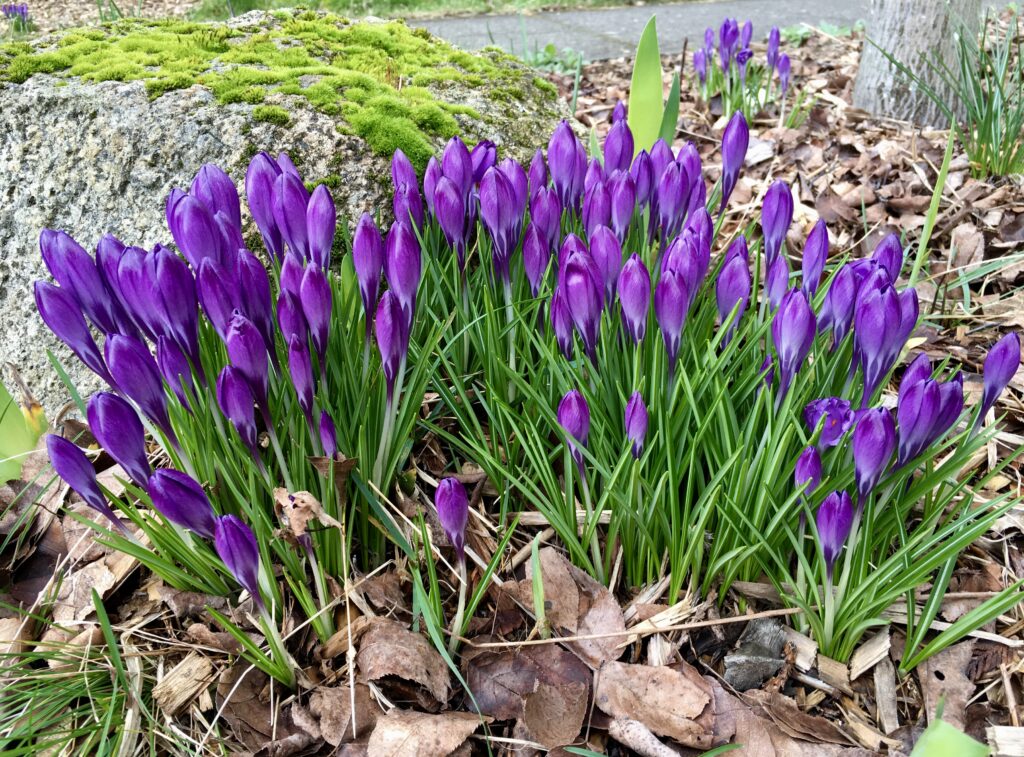
Right now, you have a unique opportunity: planting spring-flowering bulbs that will remain dormant until they push up next year, while simultaneously introducing evergreen structure to keep your landscape looking bright during the bleakest winter months.
The Strategy: Layering for Sequential Visual Interest
The secret to a dynamic garden design is layering. Planting spring-flowering bulbs with evergreen shrubs ensures the evergreens will provide a solid green backdrop when the bulbs push through the soil starting in February.
Building Your Winter Evergreen Backbone
Without winter structure, a garden can look flat and empty once the perennials die back. When selecting evergreens, look beyond the standard green hedges and focus on texture, color variation, and form.
Structural Conifers for Form
- Dwarf Conifers: Look for varieties like Ice Breaker Korean Fir (Abies koreana ‘Ice Breaker’) for a silvery-blue hue or Dwarf Golden Hinoki Cypress Chamaecyparis obtusa ‘Nana Aurea’) for a splash of winter sunshine.
- Broadleaf Evergreens: Plant Wheeler’s Dwarf Pittosporum (Pittosporum tobria ‘Wheeler’s Dwarf’) for a bright green accent that caches light or dark green varieties of Euonymus spp. for a deep rich green backdrop. Spaced sequentially, or in thoughtful patterns, these provide the geometric anchors that give a winter garden its deliberate, cohesive look.
Tucking in the Spring Rewards
Once your evergreen anchors are in the ground, it’s time to add your spring bulbs. October is the premier planting window because the soil is cool enough to prevent premature sprouting while still being warm enough for roots to establish.
The Best Bulbs for Visual Contrast and Extending Bloom Time
- Early Spring (Feb–Mar): Snowdrops (Galanthus) and Crocus. Plant these in massive drifts at the very front of your evergreen borders.
- Mid-Spring (Mar–Apr): Daffodils (Narcissus), Hyacinths, and Tulips. The bright yellows and deep purples look spectacular against a dark green backdrop of euonymus or yew.
- Late Spring (May): Late Tulips and Alliums. These tall, architectural purple globes will rise above your lower evergreen shrubs just as the winter interest transitions into fresh, summer growth.
By planning to anchor your garden with intentional evergreens and hidden bulb treasures now, you ensure your outdoor space remains a source of joy—whether you are looking at it through a frosty window in January or stepping out into the warm sun in April.
Ready to Reimagine Your Plot?
Intelligent landscape design does more than just enhance aesthetics; it boosts curb appeal, increases property value, and provides a much-needed mental escape from the urban hustle. Whether you’re dealing with a shady courtyard or a sunny hillside, your space has massive potential.
What is your biggest hurdle with your current outdoor space—planting under conifers or a lack of privacy? Reach out today for an initial consultation to start planning your perfect PNW retreat!