
By michael / March 18, 2026
Adopting dark sky lighting principles is a meaningful way to protect wildlife and reduce light pollution. Excessive artificial light is a significant environmental concern that can disrupt the natural 24-hour circadian rhythms that all living things rely on, including:
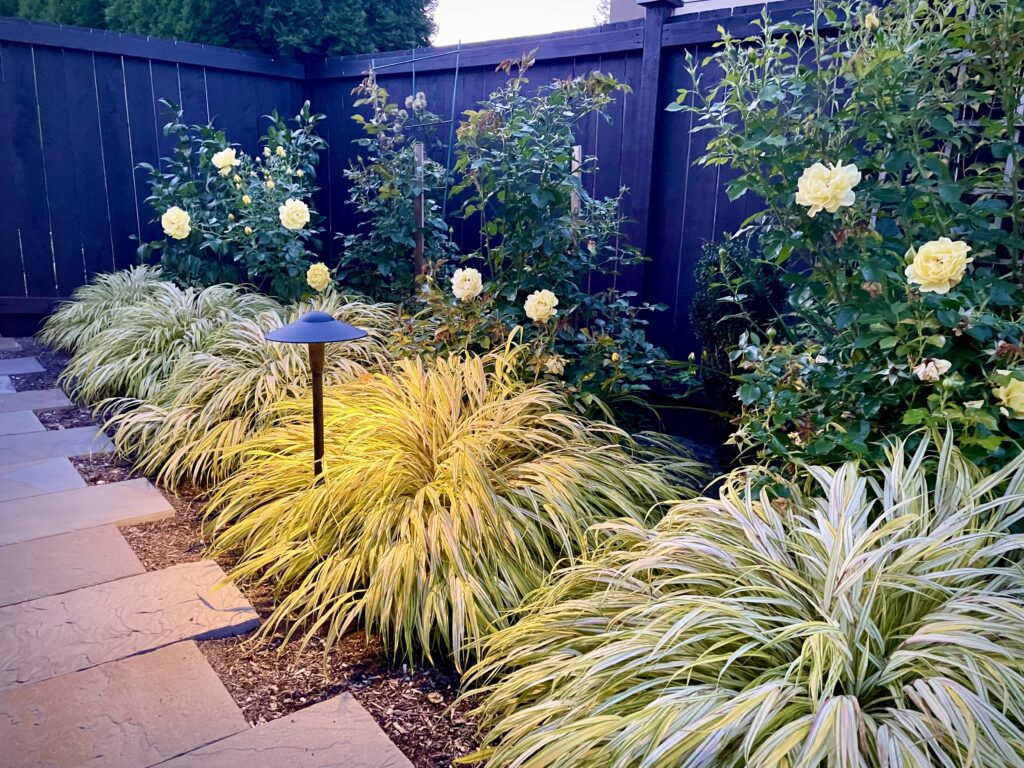
Wildlife – Nocturnal animals and migrating birds can become disoriented by upward pointing lights, leading to habitat loss.
Plants – Excessive light can cause plants to emerge from dormancy too early or retain leaves too late, increasing stress from temperature extremes.
Pollinators – Nighttime pollinators, such as moths, often avoid lit areas, which can result in reduced fruit and seed production.
What is dark sky lighting?
Dark sky lighting is designed to minimize these harmful effects, while maintaining safety and ambiance. Key features include:
Shielding – Fixtures that direct light downward to prevent spillage into the night sky.
Warm colors – Bulbs with a temperature of 3,000K or lower to reduce blue light.
Smart Controls – Timers, dimmers, and motion sensors to ensure light is used only when and where it is needed.
You can help reduce the estimated 30% of outdoor light wasted in the U.S. by following these principles:
Use low-glare, shielded fixtures pointed toward the ground.
Select lower-wattage LED bulbs.
Place lights only in essential areas, such as pathways.
Turn off porch lights when not in use and use decorative string lights sparingly. Preserve dark zones near hedges and tree canopies where wildlife nests.
When purchasing new light fixtures, look for the “DarkSky Approved” seal on the packaging to ensure they meet international standards. You don’t need to sacrifice safety or the aesthetic enhancements that lighting provides; by choosing thoughtful fixtures, you can enjoy a beautiful and peaceful landscape while helping your local ecosystem thrive and use less electricity.
MORE IDEAS
Whether you’re planning a new garden or making changes to one you have, consider updating your lighting before summer arrives.
Need more ideas? Contact me to schedule a design consultation to learn more about lighting, what to plant this spring, and how to maximize the impact of plantings in your garden.